No products in the cart.
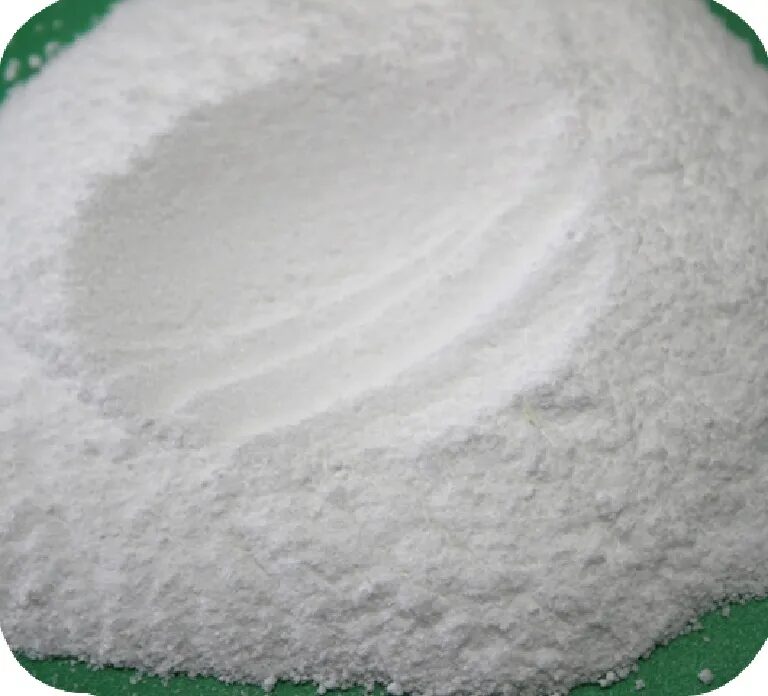
RAD-150 (TLB-150) Powder
- Where to buy RAD-150 (TLB-150) Powder
- High purity RAD-150 powder supplier
- Bulk TLB-150 powder for laboratory research
- RAD-150 research chemical wholesale
Category: SARMs Steroid Powder
RAD-150 (TLB-150) Powder: A Comprehensive Guide to Its Properties, Uses, and Research Applications
RAD-150, also known as TLB-150, is a next-generation Selective Androgen Receptor Modulator (SARM) analogue that has gained significant attention in scientific research. Developed as a modified version of RAD-140, RAD-150 is designed with an ester attachment intended to provide a longer half-life and sustained activity in laboratory settings. As interest in androgen receptor research continues to grow, RAD-150 (TLB-150) Powder has become a valuable compound for researchers investigating muscle biology, metabolic function, tissue preservation, and receptor selectivity.
Unlike traditional anabolic steroids, SARMs are designed to selectively bind to androgen receptors in specific tissues while minimizing activity in non-target organs. Although RAD-150 remains an investigational research chemical and is not approved for human consumption or medical use, it continues to play an important role in preclinical and laboratory studies.
What Is RAD-150 (TLB-150) Powder?
RAD-150 (TLB-150) Powder is a synthetic research compound belonging to the SARM family.
Researchers use RAD-150 Powder to examine androgen receptor activation, skeletal muscle preservation, lean tissue development, bone metabolism, and cellular signaling pathways. Because of its enhanced structural characteristics, it has become an attractive compound for long-term laboratory investigations where prolonged receptor interaction is desirable.
The compound is commonly supplied as a high-purity powder for analytical laboratories, pharmaceutical research institutions, and biotechnology companies conducting controlled experiments.
Key Characteristics of RAD-150 Powder
RAD-150 possesses several characteristics that make it appealing in laboratory environments:
- High laboratory purity
- Extended biological activity due to ester modification
- Strong androgen receptor selectivity
- Excellent stability when stored correctly
- Suitable for analytical and pharmaceutical research
- Available in bulk quantities for research institutions
Its extended half-life allows researchers to investigate sustained receptor activation and compare results against earlier-generation SARMs.
Research Applications of RAD-150 (TLB-150)
Scientists continue exploring the potential applications of RAD-150 across multiple research disciplines.
Muscle Tissue Research
RAD-150 is widely studied for its interaction with androgen receptors involved in skeletal muscle development. Laboratory models investigate protein synthesis pathways, muscle cell differentiation, and tissue preservation mechanisms.
Bone Health Studies
Researchers examine whether selective androgen receptor activation may influence bone mineral density and skeletal maintenance during preclinical investigations.
Hormone Receptor Research
RAD-150 serves as a useful compound for understanding androgen receptor signaling, receptor binding affinity, and downstream cellular responses.
Pharmaceutical Development
Drug discovery programs may utilize RAD-150 as a reference compound while developing future receptor-selective therapeutic candidates.
Cellular Biology
Researchers investigate how RAD-150 affects cellular metabolism, gene expression, and intracellular communication involved in anabolic signaling.
Benefits for Scientific Research
Within controlled laboratory environments, RAD-150 Powder offers several research advantages:
- High receptor specificity
- Long-lasting activity
- Reliable chemical stability
- Consistent batch quality
- Suitable for extended experimental protocols
- Supports comparative SARM studies
These characteristics make it valuable for researchers requiring reproducible experimental conditions.
Purity and Quality Standards
High-quality RAD-150 Powder intended for research purposes should be manufactured under strict laboratory standards. Reputable suppliers generally provide:
- Certificate of Analysis (COA)
- Third-party purity verification
- Batch identification numbers
- Secure laboratory packaging
- Proper storage recommendations
- Technical documentation
Buy RAD-150 (TLB-150) Powder Online
Proper storage helps preserve the integrity of RAD-150 Powder.
Recommended storage conditions include:
- Store in a cool, dry location
- Protect from moisture
- Keep away from direct sunlight
- Maintain airtight laboratory containers
- Avoid repeated temperature fluctuations
Following appropriate storage procedures helps maintain compound stability throughout research projects.
RAD-150 Powder Supplier
Selecting a trusted research chemical supplier is essential for obtaining consistent laboratory-grade material.
Consider suppliers that provide:
- Verified laboratory testing
- Transparent product specifications
- COA documentation
- Reliable customer support
- Secure international shipping
- Consistent inventory availability
Reliable sourcing helps improve reproducibility across scientific experiments.
RAD-150 Powder Manufacturer
RAD-150 (TLB-150) Powder remains an investigational research chemical. It is intended exclusively for laboratory and scientific research conducted by qualified professionals. The compound has not been approved as a medicine, dietary supplement, or food ingredient in many jurisdictions.
Researchers should always comply with applicable local laws, institutional guidelines, and laboratory safety protocols when handling investigational compounds.
Where to buy RAD-150 (TLB-150) Powder
RAD-150 (TLB-150) Powder represents an important advancement in selective androgen receptor research. Its esterified structure, extended activity, and high receptor selectivity make it an attractive compound for scientists studying muscle biology, bone metabolism, receptor pharmacology, and cellular signaling.
As research into SARMs continues to evolve, RAD-150 remains a valuable investigational tool for laboratories seeking high-quality compounds for preclinical studies. Choosing laboratory-tested, high-purity RAD-150 Powder from reputable suppliers ensures dependable results and supports scientific excellence while maintaining compliance with research standards.
Reviews
There are no reviews yet.